
When you think about maintaining your driveway, did you know that the weather could be your worst enemy? From torrential rain to scorching heat and icy winters, various climate conditions can seriously affect the appearance and durability of your pavers. It’s not just about how they look; ignoring these factors can lead to cracking, discoloration, and costly repairs. After putting so much effort into installing those beautiful pavers, it’s crucial to understand how weather affects them to keep them in top shape for years to come. So, let’s dive into the ways different weather elements influence your paver condition and how you can protect your investment.
Weather has a significant impact on driveway pavers, with factors such as rain, heat, cold, and sun contributing to issues like cracking, discoloration, and uneven surfaces. Proper installation, material selection, and regular maintenance—such as sealing—can help mitigate these weather-related effects and extend the life of your pavers.
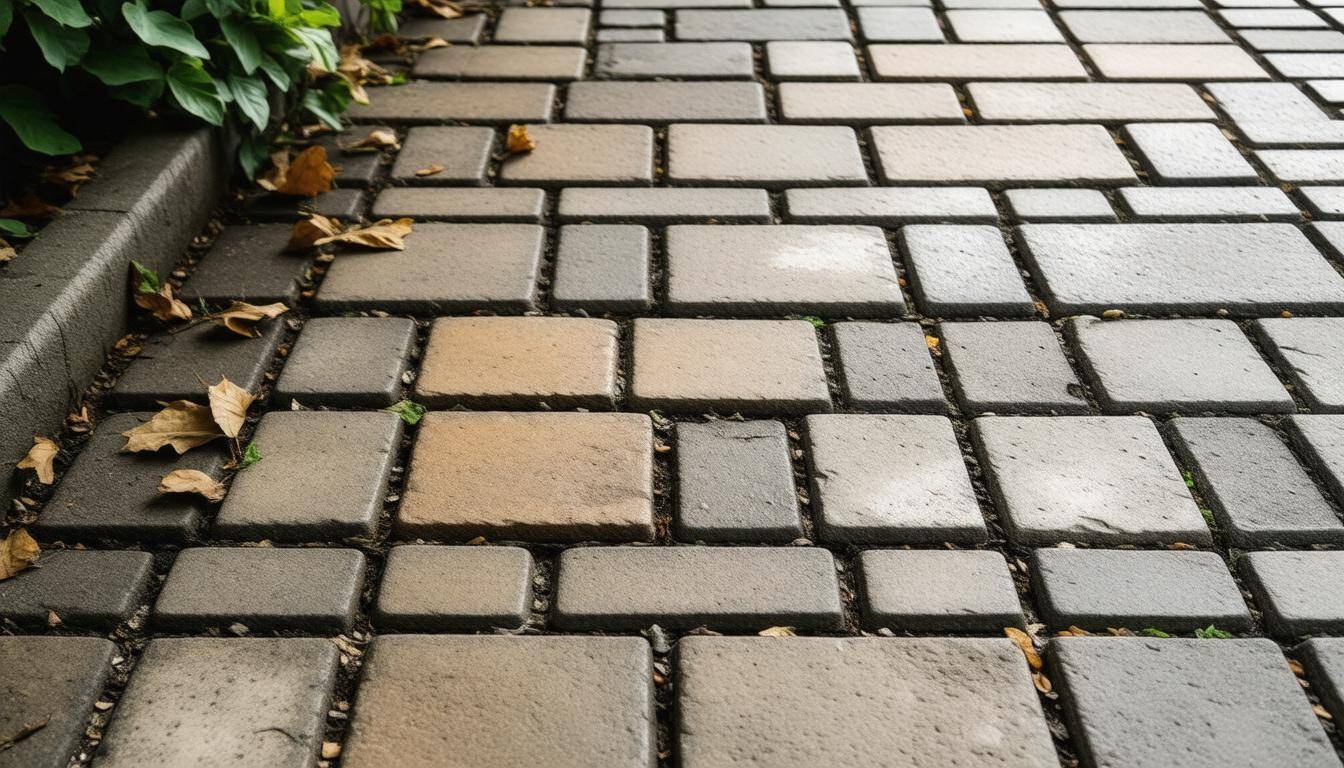
Your pavers face constant exposure to various elements that can impact their condition. Rain, heat, and cold are the main culprits affecting not only their appearance but also their longevity. Ignoring these factors can lead to costly repairs and deterioration over time, so awareness is key.
Rain can infiltrate through the joints into the sublayer, causing water to build up beneath the pavers. When this moisture remains trapped, it leads to shifting and uneven surfaces that may require extensive repairs. For those with natural stone pavers like travertine, the risks are heightened. If proper drainage isn't established during installation, you may find yourself with an expensive headache down the line.
To prevent such issues from arising, it’s crucial to choose eco-friendly materials and ensure professional installation is conducted with appropriate drainage measures in place. This minor investment at the start can save significant costs later on due to water damage.
Moving on to the king of sunny days: while we all love a little sunshine, UV rays can wreak havoc on your pavers! Over time, these rays contribute to color fading, making surfaces appear dull and lifeless. Even more concerning is how extreme heat can cause paver materials to expand—if this expansion isn't adequately controlled, cracks or warps could develop.
Therefore, choosing UV-resistant sealants for your pavers becomes imperative. Not only does this create a barrier against harmful sun exposure, but it also helps maintain your pavers' vibrant appearance while enhancing structural integrity. Regular sealing ensures your driveway looks fantastic through every season!
In colder climates, nothing illustrates the struggle quite like the freeze-thaw cycle. This process occurs when water seeps into the joints of your pavers. As temperatures drop, that water freezes and expands; this forces cracks to form and causes heaving in the surface, making your once smooth driveway uneven.
Particularly for materials like travertine, improper installation lays a trap for water infiltration that can lead to costly repairs over time. It’s important to opt for permeable pavers that allow water to drain effectively and minimize freeze-thaw damage. The simple choice of interlocking driveway tiles can provide flexibility, reducing the risk of cracks and ensuring a strong foundation.
Recognizing these weather-related challenges empowers homeowners to make informed decisions regarding maintenance and material selections. This understanding will greatly influence how effectively your paving withstands environmental stresses as we transition into examining specific physical impacts caused by these elements.
Weather can have a significant impact on driveway pavers, leading to visible damage that demands immediate attention. Understanding these risks enables homeowners to take preventative measures before minor issues develop into costly repairs.
When heavy rain permeates the ground beneath your pavers, it can lead to instability. This manifests as shifting and settling, resulting in uneven surfaces that might be unsightly and hazardous. If you start noticing pavers tilting or gaps forming between them, it's essential to act quickly, as this may indicate that the base requires reinforcement.
A friend experienced this firsthand when their driveway took a beating during a particularly rainy winter. After reaching out to professionals at PHX Paver, they were advised on implementing a more robust drainage system to prevent future water accumulation. This simple yet effective measure resulted in improved stability and peace of mind.
In colder regions, freeze-thaw cycles pose a serious threat to paver longevity. Studies reveal that nearly 30% of paver damage can be attributed to cracking from these cycles. Water seeps into gaps or porous areas within the pavers, freezes, and expands, leading to cracks once temperatures rise again. These cracks not only reduce aesthetic appeal but can worsen over time as debris accumulates in them, exacerbating erosion.
To mitigate such risks, it's wise to select durable materials that withstand extreme temperature fluctuations. For example, opting for porcelain pavers or interlocking concrete units can provide enhanced durability under such stressors.
On the other end of the spectrum, high temperatures are another culprit affecting paver condition. Intense heat can cause materials like brick—and even certain types of natural stone—to warp or crack under thermal stress. This impacts not just appearance but also the structural integrity of your driveway.
Choosing pavers specifically tested for thermal expansion resistance is imperative in combating this issue effectively. Products synthesized with advanced technologies often outperform traditional materials regarding enduring high heat without warping.
Considering these potential issues—be it shifting from water intrusion, cracking from freeze-thaw cycles, or warping due to high temperatures—understanding seasonal impacts on your driveway will further enhance its longevity and performance.
Understanding seasonal effects is key to preserving the beauty and longevity of your pavers. Spring tends to arrive with gentle rains that can lead to water accumulation; while this moisture can be a boon for plant life, it can also contribute to mold and mildew growth on paver surfaces if not managed correctly. Therefore, this season presents an excellent opportunity for a thorough cleaning. You might want to consider using a pressure washer to blast away dirt and grime—just ensure that you follow up with proper sealing to protect against future moisture issues.
As spring gives way to summer, the dynamics shift dramatically. The longer days and intense sunshine can wreak havoc on your paver's color, leading to fading that detracts from their aesthetic appeal. To combat this damage, it's wise to apply UV-resistant sealants during warmer months. These sealants provide a protective layer, minimizing sun damage while ensuring the colors of your pavers remain vibrant. After all, no one wants their elegant outdoor space looking dull in the golden summer light!
Just as the temperature dictates our activities, autumn’s arrival introduces new challenges for your pavers.
Fall brings with it a carpet of colorful leaves and organic debris that can not only clog drains but can also stain your pavers if left unchecked. This is the perfect time for regular sweeping and cleaning to prevent stains from taking hold—but that’s not all. If you have trees near your patio or driveway, consider a higher frequency of cleanings during this season to avoid the buildup of decaying matter that could introduce unwanted elements like moss or fungi into the mix.
Then comes winter, a season that can be particularly unforgiving for outdoor elements.
The freeze-thaw cycles characteristic of winter are notorious for causing cracks in rigid materials. Inspecting your pavers before winter sets in is crucial to catch any weaknesses early on. Look for signs such as tiny fissures or uneven settling that may spell trouble. Additionally, always use de-icing products that are safe for pavers when attempting to combat ice build-up; some salts can cause irreversible damage over time.
By being aware of these seasonal influences and being proactive through maintenance routines, you empower yourself to better protect your outdoor surfaces as nature continues its cycle throughout the year.
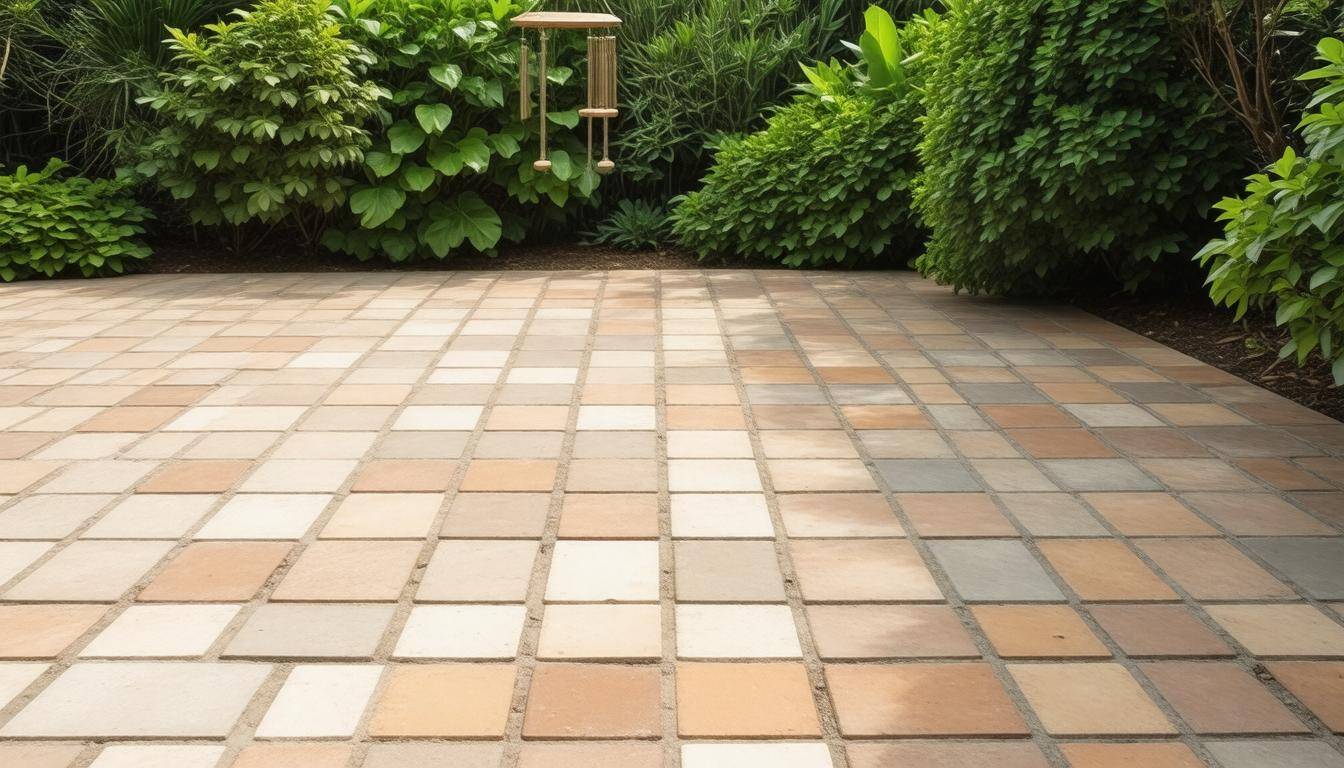
Fortunately, there are several proactive strategies homeowners can adopt to minimize the impact of weather on driveway pavers, ensuring both aesthetic appeal and structural integrity over time.
One of the best defenses against weather-related damage is applying a professional-grade sealant designed for your specific type of paver. A good sealant acts like an invisible shield, providing a barrier against rain, harsh UV rays, and temperature fluctuations while also preventing stains and moisture infiltration.
By opting for a sealant suited to your local climate, you ensure that it responds effectively to the unique challenges your pavers face. For instance, if you live in an area with heavy rainfall or snowfall, choose a water-repellent sealant that seals off moisture entry points. Regular resealing every one to three years can vastly prolong the life of your pavers.
Effective drainage systems can make or break driveway longevity. If water pools instead of draining away properly, it begins to seep into the layers beneath your pavers, leading to shifting and cracking over time.
Imagine a poorly drained yard after a heavy rain—water collects around your drive instead of flowing away. Professionals at PHX Paver can design drainage solutions tailored specifically for your property. This might include installing permeable pavers that allow water to flow through them or creating slopes that direct moisture away from heavy-use areas. Such preventative measures will help keep your driveway intact during heavy rains or thawing periods when melting snow might create problems.
Just as regular check-ups are vital for our health, routine inspections are crucial for the well-being of your driveway pavers. By inspecting your pavers each season, you can catch small issues—such as cracks or shifted stones—before they evolve into more complex problems requiring extensive repairs.
An astute inspection involves looking for visible damage while examining joint sand levels and ensuring no debris is trapping moisture against the surface. Keeping an eye out and addressing any minor issues promptly enhances both the longevity and appearance of the pavers.
By incorporating these essential strategies into your maintenance routine, you'll set the stage for more effective care practices that can further extend the life of your pavers. Understanding how to maintain these surfaces is key to ensuring their durability over time.
Proper maintenance is indeed the key to prolonging the life of your pavers, and it begins with routine cleaning. Regular cleaning helps to prevent the accumulation of organic materials such as leaves, moss, and algae, which can cause stains and ultimately lead to erosion.
Imagine your driveway after a heavy rain—suddenly, you might find unsightly green patches or dark spots among the stones. By using a broom or a leaf blower regularly to clear away debris, you can maintain that fresh, appealing look while ensuring optimal drainage. This simple act creates a barrier against future growth that could mar the surface and diminish its integrity.
Now that we've established the need for routine cleaning, let’s talk about another essential practice: applying sealants.
Make it a habit to reapply sealants according to the manufacturer's recommendations, typically every two to three years. Sealants act as a protective layer, safeguarding your pavers from water damage while preventing stains from moisture and dirt. They also help keep colors vibrant, giving your driveway or patio a look that lasts through harsh weather.
The process typically involves thorough cleaning before application; after all, nothing ruins good sealant like dirt trapped underneath! When done correctly, homeowners often find that sealed pavers are easier to clean later on and retain their original luster for a much longer time.
While DIY care is important, there’s no substitute for expert assistance in professional maintenance services.
Hiring professionals ensures that comprehensive paver maintenance is executed thoroughly and correctly. For instance, specialized services like those offered by Phoenix Paver not only understand the intricacies involved but also utilize industry-grade products tailored specifically for conditions unique to your area.
Whether it's ensuring proper drainage during installation or applying high-quality sealants effectively, expert help can save you both time and potential headaches down the road. They have access to equipment and knowledge that guarantees every aspect of your paver maintenance is attended to precisely.
In truth, taking care of your driveway or patio isn’t just about aesthetics—it’s about preserving an investment that enhances your property value. Keeping up with these maintenance practices ensures longevity and durability in the face of changing weather conditions while enhancing safety.
Understanding maintenance practices lays a strong foundation for exploring how different materials fare against varying climates. It’s crucial to align material choices with environmental demands to maximize both durability and aesthetic appeal.
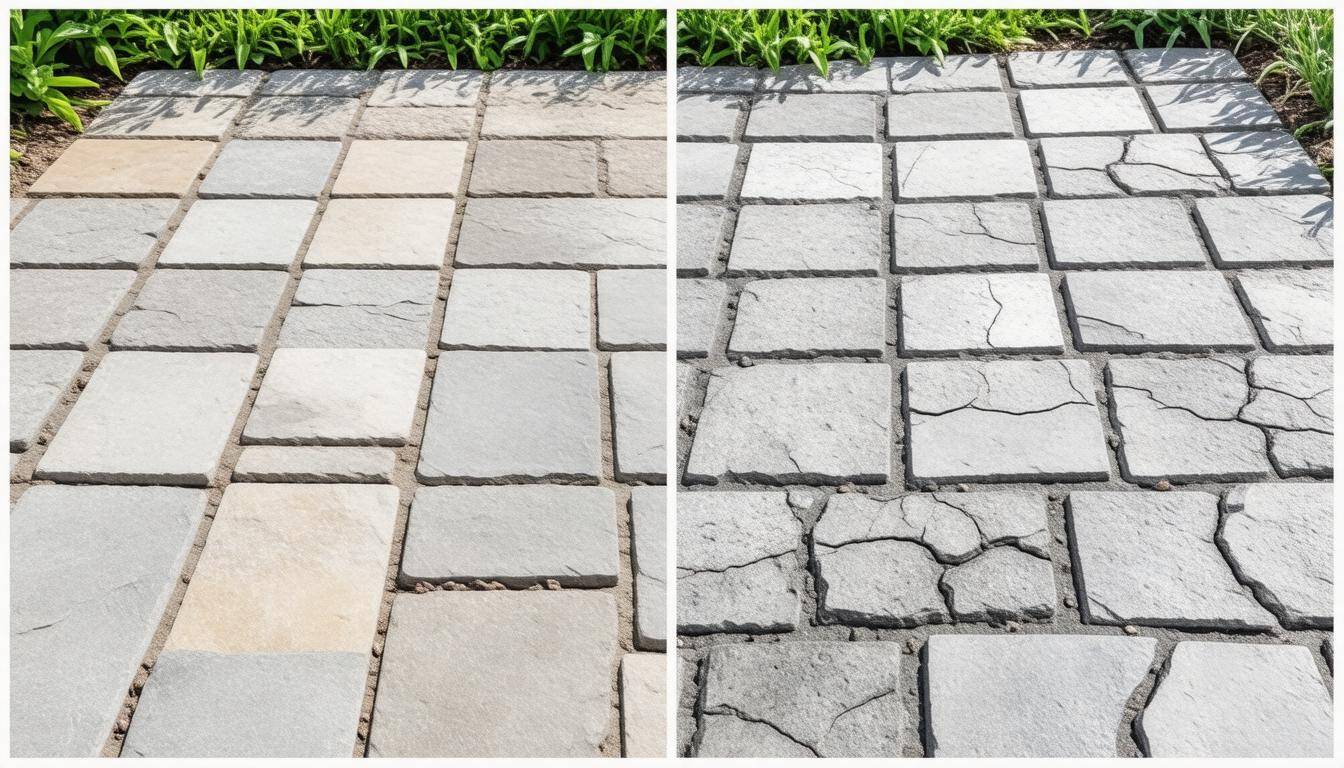
Selecting the appropriate paver material is crucial to ensuring durability and aesthetics throughout changing seasons. In cold climates, permeable pavers shine due to their ability to allow water to seep through, significantly reducing ice formation on surfaces during winter.
Using interlocking designs enhances stability, which is especially important during freeze-thaw cycles. Robust options like concrete or dense natural stones help mitigate the stress that freezing temperatures impose. Their resilience means they won't crack easily under the weight of snow or through temperature oscillations, making them wise choices for homeowners in snowy regions.
Transitioning to warmer conditions brings another set of challenges.
In hot climates, selecting materials that withstand extreme heat without wear is essential. Here, options such as concrete and porcelain driveway pavers stand out. These materials are known for their thermal resistance, effectively handling high temperatures while minimizing thermal expansion that can warp or weaken lesser products.
For those designing outdoor spaces in sun-soaked areas, investing in these reliable materials pays dividends by maintaining both the integrity and aesthetic appeal of hardscapes.
Conversely, what happens when humidity levels rise?
In regions characterized by high humidity and rainfall, the risks associated with accumulated water become a leading concern for homeowners. Selecting porous materials like honed travertine elevates visual appeal and promotes better drainage.
Ensuring that proper drainage systems are put in place is paramount; when water can freely pass through the pavers, it minimizes standing water that can lead to mold growth or hinder aesthetics over time. Choosing these thoughtful solutions provides immediate benefits during rainstorms while prolonging the lifespan of the entire installation.
Opting for materials tailored to your regional climate directly correlates with longevity and maintenance ease, ultimately leading to a more satisfying paver experience.
In summary, understanding your climate and choosing suitable materials can significantly enhance your paver's longevity and performance. Taking these factors into account will ensure a beautiful and durable outdoor space for years to come.
PhxPaver.com © 2026 Powered by Pressure Power Pros | Service Areas