
Pavers can add charm to any outdoor space, but like anything else, they have their ups and downs. Over time, wear and tear due to weather and heavy use can lead to problems that may not be obvious at first glance. If you’ve ever tripped over an uneven surface or noticed unsightly stains, you know how important it is to stay ahead of paver damage. Regularly checking on your paved areas means catching issues before they become bigger headaches—and potentially saving yourself a lot of money in repairs down the line. Let’s dive into some of the signs that your pavers might need a little tender loving care!
Signs of paver damage include visible cracks and chips, discoloration or faded areas, uneven surfaces indicating shifting, and weakened edges that appear rounded or worn. Recognizing these indicators early is crucial for maintaining the integrity and appearance of your paved surfaces.
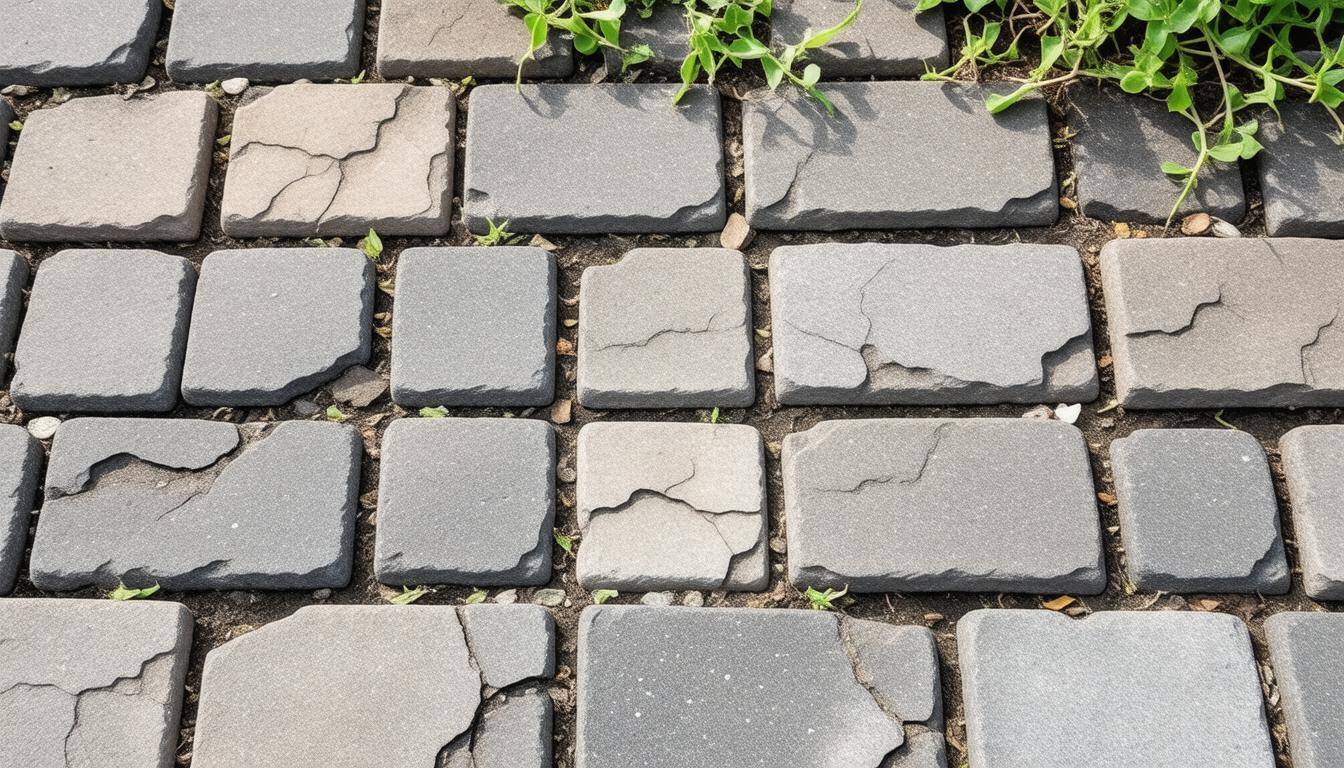
The first indication of trouble often comes in the form of cracks and chips. These surface imperfections usually result from temperature fluctuations that cause the materials to expand and contract. Even small hairline cracks can suggest underlying issues, while larger cracks and chips frequently indicate damage due to heavy loads or sudden impacts. Ignoring these signs can lead to deeper structural problems, so it’s best to address them sooner rather than later.
Speaking of serious concerns, let’s discuss uneven surfaces, which can be even trickier to manage. An uneven surface arises when pavers shift or sink, leaving unsightly gaps or height discrepancies. Poor installation practices can sometimes bear the blame, but erosion caused by water infiltration is a common culprit. If you notice a paving stone that seems mismatched with its neighbors, it may mean that the foundation below is giving way, triggering instability in your walking areas.
This brings us to staining and discoloration, another telltale sign of potential harm lurking beneath the surface. Stains from motor oil, salt, or organic materials can seep into the pore structure of pavers—especially if they are not adequately sealed—leading to dark spots or faded patches that detract from the overall aesthetics of your hardscaping. Likewise, moisture absorption from melted snow combined with salt can exacerbate color changes. Seeing these blemishes could be an early warning that immediate action is required to maintain the charm of your property.
Recognizing these issues early allows for quicker intervention, which is crucial for maintaining paver health. A proactive approach not only saves you money on repairs but also safeguards your outdoor investments from permanent damage over time.
Lastly, keep an eye out for more subtle signs like efflorescence—the white powdery residue that can appear on pavers due to excessive moisture and salt buildup. This not only looks unappealing but indicates underlying moisture issues, which, if left unchecked, can further compromise paver integrity.
Understanding these signs will help you maintain your hardscaping effectively and ensure it remains an attractive element throughout the seasons. Moreover, being aware of what leads to such damage will empower you with knowledge for future prevention measures.
One significant factor leading to paver damage is the harsh influence of environmental conditions. For instance, freeze-thaw cycles that occur in colder climates can be particularly detrimental. When moisture seeps into the porous surfaces of pavers, it can freeze and expand during cold weather. This expansion exerts pressure on the surrounding material, often resulting in cracks or even complete structural failure over time. Observing a marked increase in damage rates—up to 20% faster—in areas with these extreme temperature fluctuations is alarming for homeowners.
As the snow melts, heavy rains can further exacerbate problems. It’s not uncommon for these conditions to erode the substrate beneath the pavers, causing them to shift or become misaligned. This shifting disrupts aesthetics and can also lead to unintended tripping hazards!
Moving beyond natural elements, let's consider the impact of installation quality. Poor installation practices significantly contribute to ongoing issues with paved surfaces. If installers use low-quality materials or fail to prepare the base properly, rapid wear and tear are often inevitable. For example, inadequate compaction of the base material can leave gaps or unsteady ground beneath the pavers, causing them to settle unevenly over time.
These issues usually manifest as cracks, uneven surfaces, or even popping out of place. More concerning is the long-term integrity of the entire paved area; when installations cut corners on materials or techniques, it increases future repair needs dramatically. What seemed like an initial bargain for landscaping may turn into costly headaches down the line.
By identifying these common causes of paver damage, homeowners can take proactive steps toward prevention and maintenance. Understanding how both environmental factors and installation practices play a part in your paved surfaces will better equip you to preserve their appearance and function over time.
One effective way to keep your paved surfaces in top condition is to regularly examine them for visible damage. The sooner you spot these issues, the easier they are to repair, potentially saving you both money and time down the road.
Erosion is often the first indicator that your paver surfaces are suffering from external elements like salt or heavy traffic. You might notice a loss of sheen or color as the once vibrant pavers start to appear dull. This not only affects their beauty but also signifies that the surface is becoming fragile.
Take it from someone who has seen pavers weathered by the elements — early intervention can drastically extend their lifespan.
Look closely at the surface for any cracks or chips; these little imperfections may seem insignificant, but they indicate more serious underlying problems such as inadequate base support or moisture intrusion. If you observe gaps larger than 1/8 inch, it’s a clear call for concern. Left unchecked, these cracks can worsen, leading to costly repairs.
Walking your paved area can reveal irregularities that are hard to miss. If you feel dips as you stroll or see water pooling in specific spots after rainfall, these are telltale signs of base erosion or shifting in your installation. Poor drainage is often an underlying cause here.
It’s essential not just to rely on your eyes but also on how consistent the paver surface feels underfoot.
As you assess these visual indicators, it's crucial to recognize how they may affect not only the aesthetics but also the functionality of your outdoor spaces.

When pavers become damaged or uneven, they disrupt the aesthetic harmony of your outdoor space and pose severe functional challenges that can affect everyday activities. One immediate danger presented by uneven pavers is trip hazards. A minor misstep could lead to a fall, which can be especially dangerous for children or older adults. Picture a child rushing outside to play or an elderly person making their way to the garden; a slight elevation change from one paver to another could result in injury. In commercial properties, this liability can have even graver implications, making it essential to address and rectify such hazards promptly.
Such trip hazards are just one piece of the puzzle. As pavers start to settle or become sunken due to weather patterns or shifting ground, they may contribute to drainage issues. Water pooling in these uneven sections leads to an environment ripe for erosion and may create mud patches that further compromise stability. When water can't drain properly, it begins to form channels through cracks, sapping surfaces of integrity; this relentless cycle exacerbates underlying problems, leading to costly repairs down the road.
It's significant to note that untreated damage can drastically reduce the lifespan of your paving system. Studies show that neglected pavers can last 30-40% less time compared to those regularly maintained. This statistic underscores the importance of vigilance in regard to maintenance and repair. With timely interventions, you can dramatically prolong the life of your pavers and save yourself from future replacement costs—a typical insight drawn from our clients at Paver Rescue indicates that proactive measures can add approximately ten years to the life expectancy of your paved surfaces.
Properly addressing signs of wear as they emerge will enhance safety and promote longevity.
The correlation between aesthetic appeal and functional integrity emphasizes that regular upkeep is necessary—and should never be overlooked. If you notice any signs of damage, whether it be unevenness, cracks, or erosion, taking action immediately is crucial; a simple service call could protect your investment and keep your property safe for everyone who walks across it.
Transitioning now into how you can effectively safeguard your pavers further ensures they're well-protected and maintain their inviting appearance over time.
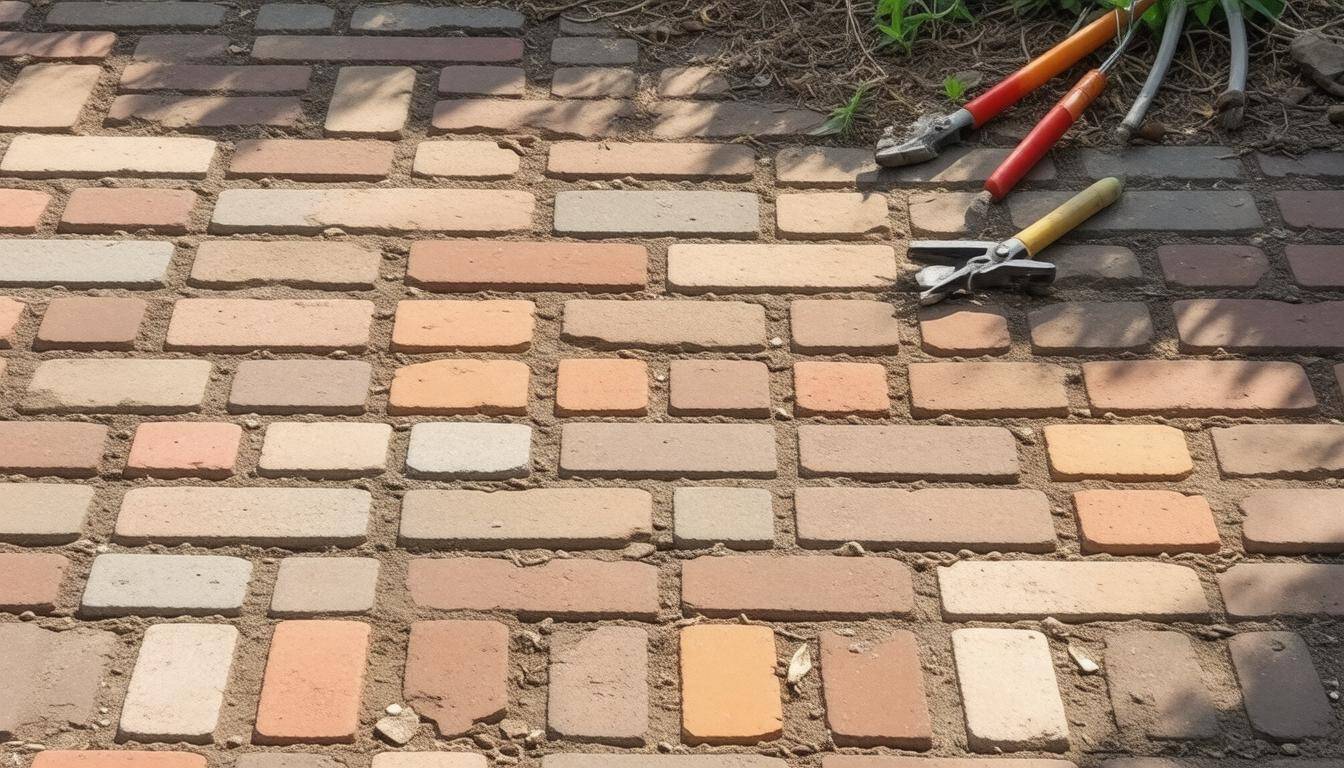
Regular inspections are one of the simplest yet most effective forms of preventative maintenance you can implement.
Doing so every six months allows you to identify problems before they escalate into costly repairs.
As the seasons change, the weather can take a toll on your pavers; extreme heat and cold can cause them to shift or crack.
When you check your pavers, pay close attention to areas that show signs of wear like discolored spots or uneven surfaces.
This proactive approach means you’re less likely to be surprised by deterioration later on.
Another crucial step is applying a quality paver sealant, which acts as a protective shield against moisture and staining.
Once sealed, your pavers will not only withstand hydrostatic pressure from water but also repel unsightly stains from foods or chemicals used in landscaping.
At PHXpaver, we specialize in professional sealing services that create a robust barrier, ensuring both aesthetics and longevity for your stone surfaces.
Regular cleaning is just as essential for maintaining the beauty and functionality of pavers.
It’s amazing how much dirt and organic matter can accumulate over time; removing these elements keeps your pathways safe and pleasing to the eye.
Embrace a routine cleaning schedule that suits your lifestyle—whether it’s bi-weekly or monthly.
Adding weeding between your pavers is equally important because unchecked plant growth can disrupt the joint sand and compromise the stability of your paving system.
Liz, a fellow homeowner in our community, has found success with a monthly cleaning regimen. "Since starting this routine," she shared, “I've noticed significantly fewer issues with stains and weeds creeping in."
Implementing these preventive measures fosters a healthier environment for your pavers, extending their life and enhancing their appearance. Next, let's explore the factors that indicate when it might be time for a change.
Sometimes, replacing your pavers is the most cost-effective solution. Recognizing the signs that it's time for a replacement is essential not just for aesthetics but also for functionality. One primary indicator is extensive damage. If you notice that over 30% of the paver area is cracked, chipped, or uneven, it might be time to consider a full section replacement. Continuous piecemeal repairs can often accumulate costs that surpass the expense of installing new pavers altogether.
Take a moment to visualize your paved area. Cracks and disfigurements disrupt not only the appearance but can also present safety hazards. When repairs become a frequent necessity, it’s wise to assess whether maintaining this patchwork approach serves your best interests.
Another factor to consider is aesthetic appeal. Over time, wear and tear can leave your paved surfaces looking worn out and unattractive. Staining or discoloration might diminish the charm of your outdoor spaces and could detract from your property's overall value. In cases where cleaning methods fail to restore luster, replacement offers an effective solution. Additionally, older pavers may be challenging to match with replacements, often compelling homeowners to refresh their entire surface for a cohesive look.
Imagine hosting friends for an outdoor gathering and feeling embarrassed by unsightly stains marking your walkways. A clean slate with new materials not only elevates your home’s appearance but rejuvenates the joy of outdoor living—it's all about maintaining pride in your property’s presentation.
Additionally, upgrades are another convincing reason to consider replacement. Old pavers may lack the resilience of modern materials that respond better to wear and environmental factors. For instance, switching to permeable pavers can facilitate drainage and significantly reduce water pooling issues compared to older options.
By investing in higher-quality materials today, you're setting yourself up for less maintenance down the line—saving both time and effort while enhancing your home's functionality.
Knowing when to opt for replacement rather than continuous repair helps maintain the beauty and safety of your paved surfaces while preserving your investment for years to come. Should you find yourself at a crossroads, professional services like those offered at Paver Rescue can provide insights tailored specifically for your needs as well as implementation expertise that ensures your project unfolds seamlessly.
PhxPaver.com © 2026 Powered by Pressure Power Pros | Service Areas