
Maintaining a paver patio isn't just about keeping up appearances; it's about preserving an outdoor sanctuary that can elevate your home. Think of your patio as an extension of your living space—one that welcomes friends for summer barbecues, serves as a peaceful retreat, and sometimes even becomes the setting for late-night stargazing. However, without proper care, this beautiful addition can quickly turn into a problematic patch of weeds and stains. Luckily, with some simple maintenance tricks and a bit of effort, you can ensure your patio remains inviting for years to come. Let's dive into essential tips to keep your outdoor oasis pristine and functional!
To maintain your paver patio effectively, it is essential to perform regular cleaning to prevent dirt buildup and to remove any weeds or moss that may develop. Additionally, applying polymeric sand between the joints can help maintain stability and prevent shifting, while power washing every few years will refresh the surface without damaging it.
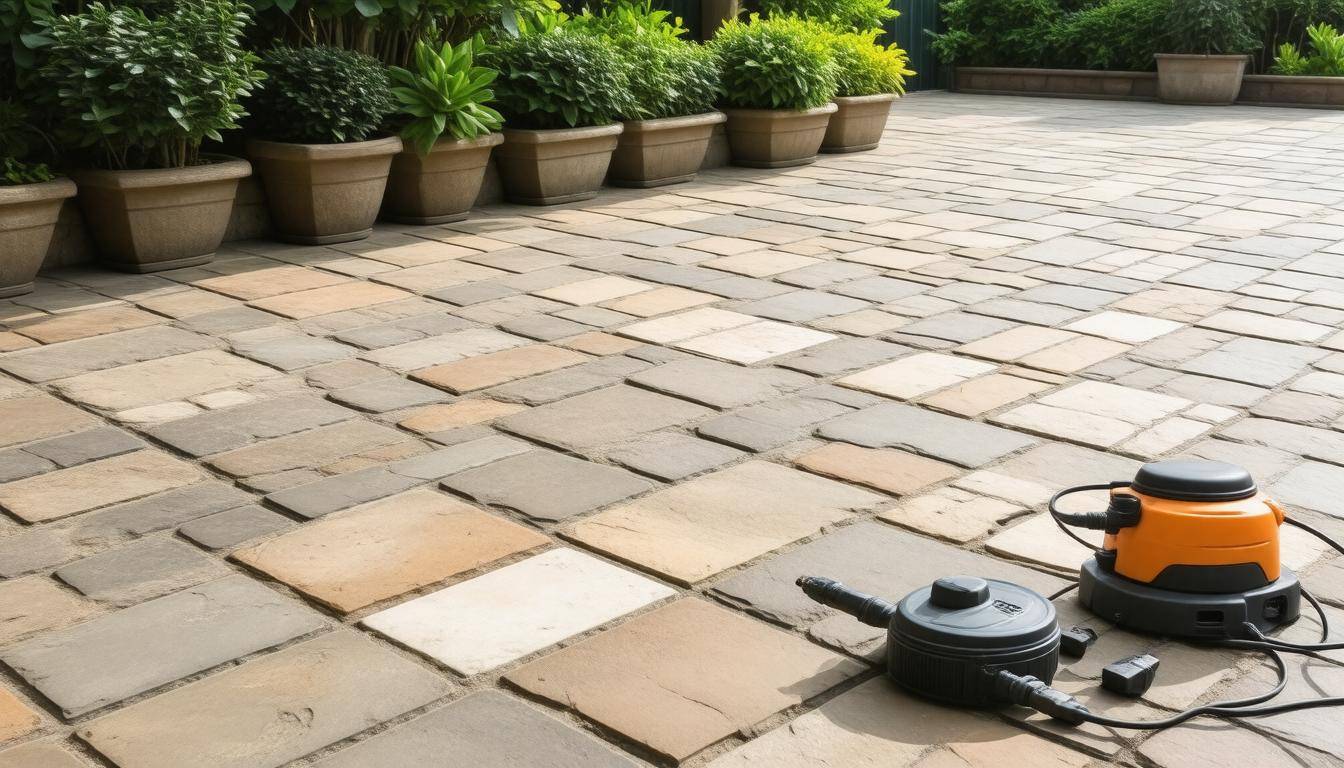
Maintaining paver patios effectively requires consistent effort but yields long-term benefits that are hard to overlook. Many homeowners often underestimate the impact of simple routine checks and regular care. For instance, weekly sweeping not only removes debris, like leaves or twigs but also prevents stains from taking hold of the surface. The longer those bits are allowed to linger, the more likely they’ll leave marks or promote moss growth. I recall chatting with a neighbor who dedicated just ten minutes each week to this task and they were amazed at how much less time they spent deep cleaning as a result.
Taking the time to sweep the patio surface regularly can keep it in pristine condition. Utilizing a push broom works wonders to gather dirt and fallen leaves; it's an incredibly simple yet effective first line of defense against grime. As you go along, try to inspect for any signs of weeds beginning to squirm their way between pavers. Catching them early means less hassle down the road when they grow larger and start to disrupt the integrity of the stones. Furthermore, a diligent individual on Reddit shared how implementing regular sweeping reduced their overall cleaning time significantly, making the process nearly effortless.
But sweeping alone won’t suffice; you’ll also want to dedicate effort toward seasonal deep cleaning.
Each season calls for a thorough cleaning session. During this time, using a standard hose or even a low-pressure power washer can eliminate built-up dirt and grime affecting your patio's aesthetic charm. It's essential to avoid excessive pressure, which might dislodge pavers or erode joint sand filling, so gentle settings are key here. One satisfied user of our services named Jamie remarked, "Seasonal deep cleaning preserved the vibrant color of my pavers for years!" A well-loved patio naturally becomes an inviting space for gatherings and relaxation when it's kept looking its best.
While cleaning is certainly crucial, maintenance extends beyond mere aesthetics into proactive care.
Regular inspections play an equally vital role in maintaining your paver patio’s longevity. It's important to walk through your outdoor space every few weeks to check for visible signs of damage such as cracks or chips in the pavers. An ounce of prevention is worth a pound of cure. If you notice these issues immediately and address them promptly—perhaps by refilling joints with polymeric sand or swapping out damaged stones—you can avert larger repairs that could be both costly and time-consuming later on. By staying vigilant and addressing minor concerns swiftly, you’ll not only save money but also ensure your patio remains safe and beautiful for years to come.
Building upon these essential practices will lead us toward exploring specific methods that maximize cleanliness and prolong your patio's lifespan.
Proper cleaning techniques can significantly enhance the lifespan and appearance of your paver patio. Regular attention not only keeps your outdoor space inviting but also protects it from long-term wear and structural issues. The first step in this maintenance routine involves something simple yet effective: dry sweeping. This technique, which should ideally be performed weekly, requires just a push broom and a little elbow grease. By regularly sweeping away leaves, dirt, and other debris, you prevent buildup that might lead to stains or impede drainage.
A clean surface allows the pavers to breathe, reducing the chances of moss or algae growth, thus promoting overall health for your patio.
Following dry sweeping, it’s important to incorporate deeper cleaning methods into your seasonal routine.
The next key method is low-pressure washing, which should be done at least seasonally. Using a garden hose with a low-pressure attachment or a gentle pressure washer can help wash away the accumulated dirt and grime without causing damage. Aim for a pressure setting between 2,500 to 3,000 PSI for optimal results. It’s also important to angle the nozzle correctly—about 30 degrees works well—to avoid blasting dirt into the joints between pavers. This gentle method revitalizes the appearance of the pavers by restoring their original color while preventing erosion of the joint sand.
Life happens; spills are inevitable on patios where friends gather for barbecues and children play. For these unfortunate occurrences, spot cleaning is a must. Addressing specific stains as they happen will prevent them from becoming permanent eyesores. A tried-and-true mixture of dish soap and warm water applied with a stiff-bristled brush works wonders for most common stains. For tougher marks like oil or rust, sprinkling baking soda on the stain before scrubbing with the soapy mixture can absorb excess oil while freshening up the area.
Remember when those holiday lights went up? They looked great until someone knocked over that drink—here’s your chance to shine!
Consistency in these cleaning efforts not only preserves aesthetics but also maintains functional integrity, ensuring that guests can walk freely without slipping on moss-covered areas.
It’s important to take a proactive approach rather than wait for dirt and stains to accumulate. If regular maintenance prompts you to clean every couple of months instead of letting problems build up seasonally, you’ll find the process less daunting and your patio looking pristine year-round.
Here’s a quick overview of effective techniques:
Adopting these techniques into your maintenance routine not only preserves beauty but also ensures your outdoor area remains functional and inviting moving forward.

Stains on paver patios are as common as a morning cup of coffee; they just happen! The key is to address them promptly, as allowing stains to linger affects the appearance of your patio and can undermine its structural integrity over time. The good news? Most stains have straightforward solutions that require minimal effort.
Oil Stains: These pesky remnants can accumulate from grilling or leaky vehicles. To tackle them, use a degreaser or a mixture of dish soap and water. Apply your chosen cleaner directly onto the stain, then scrub gently with a plastic brush. This process helps lift the oil away without damaging the pavers.
Rust Stains: Often appearing from metal objects left in contact with the surface for too long, rust stains can be stubborn. Combat them effectively by opting for lemon juice or vinegar. Use these acidic solutions sparingly to avoid etching the stone surfaces.
Food and Drink Stains: Make way for a baking soda paste! Mix equal parts baking soda and water, apply this concoction to the stain, and let it sit for about ten minutes. Afterward, scrub gently before rinsing it off. This method works wonders on spilled drinks and food residues alike.
A homeowner once mentioned, "I spilled oil and within minutes, used dish soap, and it disappeared without a trace!" Their experience highlights how quick action truly makes all the difference.
Beyond dealing with stains, another persistent issue many patio owners face is weed growth. Unwanted vegetation can slip through gaps between pavers and wreak havoc on their aesthetic and stability.
Maintaining your paver patio doesn't stop at stain management; it's essential to keep an eye out for those intruding weeds. Frequent monitoring allows you to nip those nuisances in the bud—literally! Regularly clearing away debris and ensuring appropriate drainage will discourage weed growth while promoting the overall health of your outdoor space. Addressing issues preemptively saves time and effort down the line!
Weeds and grass can turn a pristine paver patio into an unsightly mess if left unchecked. These persistent plants spoil the aesthetic appeal and can lead to structural issues over time, as their roots may disrupt the stability of the pavers. Thankfully, with proactive measures, you can maintain a clean and inviting outdoor space without breaking a sweat.
One of the most effective methods for preventing weed growth is by applying polymeric sand in between the joints of your pavers. Unlike traditional sand, polymeric sand contains additives that help it harden when wet. This unique property creates a solid barrier that effectively blocks weed seeds from taking root. Many customers have reported an impressive reduction—up to 90%—in weed growth after switching to polymeric sand, emphasizing its effectiveness in maintaining that clean look.
“Using polymeric sand was a game changer for my patio! The weeds barely stand a chance now.” (A satisfied customer)
It’s equally important to pay attention to the edges of your paver patio. Weeds often encroach from these sides, making it necessary to trim any grass or plants growing too close. Regularly maintaining this perimeter enhances the beauty of your patio and reduces potential avenues for weeds to take hold. Think of it as giving your patio a well-defined boundary that keeps nature in check.
For particularly stubborn weeds that manage to break through your defenses, using an eco-friendly herbicide may be necessary. When applying herbicides, always proceed with caution; target the weed while avoiding chemicals spilling onto your beloved pavers or nearby plants. This will ensure you’re managing weed growth effectively without harming other elements in your yard.
With these preventive measures—applying polymeric sand, maintaining edges, and judiciously using herbicides—you set yourself up for success against unwanted greenery. Now, let’s move forward to explore the next steps in maintaining the integrity of your exquisite outdoor space.
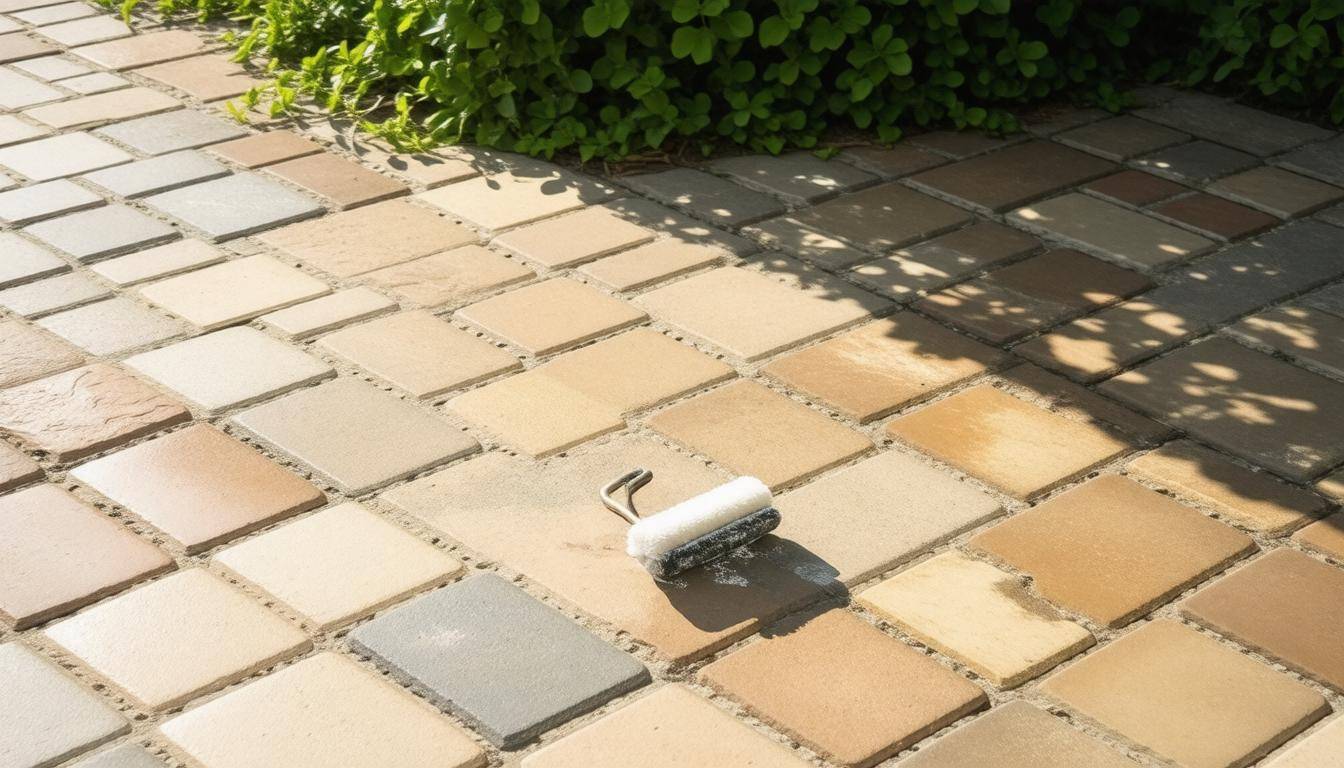
Resealing your paver patio isn’t just a routine task; it’s a vital step in maintaining the overall health and aesthetics of your outdoor space. Over time, exposure to elements like rain, sun, and snow can wear down the surface of pavers, making them look dull and vulnerable to stains. Resealing creates a protective barrier that guards against this wear and tear. In my experience, I’ve seen how a fresh seal can truly rejuvenate a patio, enhancing its appearance and extending its life significantly.
The advantages of regular resealing are manifold. For starters, it protects the surface from unwanted stains—think spilled food at your summer BBQ or muddy footprints after a rainfall. Resealers also help to prevent erosion, ensuring your pavers don't shift or become uneven over time. Furthermore, this process enhances the color of the pavers, bringing out hues you might have forgotten were there. The recommendation for resealing every 2-3 years is not arbitrary; it's based on observations of normal wear patterns caused by environmental factors and foot traffic.
Once you decide to move forward with resealing, you’ll find yourself at a crossroads: should you go the DIY route or enlist professional help?
The allure of DIY projects often comes with the temptation to save money by tackling tasks on your own, including resealing your paver patio. While many DIY kits promise ease of use and efficiency, I’ve found that the thoroughness of professional services can be hard to replicate at home. A professional application ensures an even coat that penetrates deeply into every pore of the paver surface, which is crucial for maximizing protection. At PHX Paver, our expert team specializes in providing high-quality sealing services that not only protect but also enhance your outdoor investment.
However, the journey doesn’t stop at sealing; understanding ongoing maintenance needs is equally critical for keeping your patio in top shape.
Regardless of whether you take on resealing yourself or hire experts, some important points must be kept in mind. Always check weather conditions before applying sealant—ideally, you'll want a dry day without high humidity for optimal drying. After resealing, avoid foot traffic for 24-48 hours, allowing proper adhesion and curing.
Nurturing your paver patio through regular resealing keeps it looking fresh while safeguarding against future damage. Each step in this maintenance routine is essential as we continue exploring ways to care for your outdoor investment effectively.
Inevitably, your paver patio will require some repairs; therefore, knowing how to handle these issues is beneficial. Like any beloved outdoor space, the lifespan of your pavers depends heavily on regular maintenance and prompt repair when problems arise. Let's explore the steps for dealing with key issues you might encounter.
One of the most common concerns homeowners face is sunken pavers. This often occurs due to shifting earth or water erosion beneath the surface. To remedy this situation, start by carefully removing the affected pavers. It's important to store them safely so you don’t damage them further.
Once they're out, take a good look at the underlying area. If it's compacted dirt or gravel that has settled unevenly, fill the void with more sand to create a level base before reinserting the pavers. After leveling, don't forget to compact the area well; this helps ensure that over time it won't settle again—giving you renewed peace of mind.
Jake from Belmont shared, "Thanks to advice from PHX Paver, I fixed my sunken pavers seamlessly by myself!"
Sometimes pavers will become chipped or cracked beyond repair. When that happens, extraction is your best bet. Remove the damaged paver while being cautious not to disturb nearby ones. Clean the area thoroughly; any debris or leftover sand can affect how well the new paver fits in and looks once replaced.
Ensure that your replacement matches not only the texture but also the color of your existing pavers, which guarantees a uniform appearance across your patio.
"Replacing broken pavers with the same style kept my patio looking new and uniform," reiterated a local resident who understands the importance of aesthetics.
Finally, let’s talk about maintaining structural integrity through gap and crack repair. Using polymeric sand is ideal for filling gaps between your pavers; it adapts effectively when water is added, practically locking your stones together and preventing weeds from popping through.
Similarly, for cracks that develop over time, consider a paver repair compound; these products are designed specifically for outdoor use, restoring strength while blending seamlessly into your current setup.
Comprehensive maintenance and seeking professional assistance when needed ensures that your paver patio remains a beautiful and durable outdoor space.
If you’re looking for expert advice, supplies, and maintenance services tailored to your needs, visit PHX Paver today!
In ensuring proper care and attention to your patio's needs, you'll be rewarded with an inviting outdoor space that stands the test of time. Keeping up with these essential maintenance practices enhances both aesthetics and functionality in your home environment.
PhxPaver.com © 2026 Powered by Pressure Power Pros | Service Areas