
Paver restoration can feel a bit overwhelming, especially if you're unsure of how long the process will take. Whether it’s your charming backyard patio or a robust driveway that needs sprucing up, understanding the timeline for restoration is essential. After all, you want to get it right without having to deal with unexpected delays or messy complications. In this article, we’ll break down the paver restoration process into simple steps and give you a clear idea of what to expect, so you can plan your renovation with confidence and ease. Let's dive in and uncover what the journey entails!
The paver restoration process typically takes about 1 to 3 days, depending on various factors such as weather conditions and the size of the area being restored. This includes time allocated for cleaning, re-sanding, and allowing the sealant to dry properly before use.
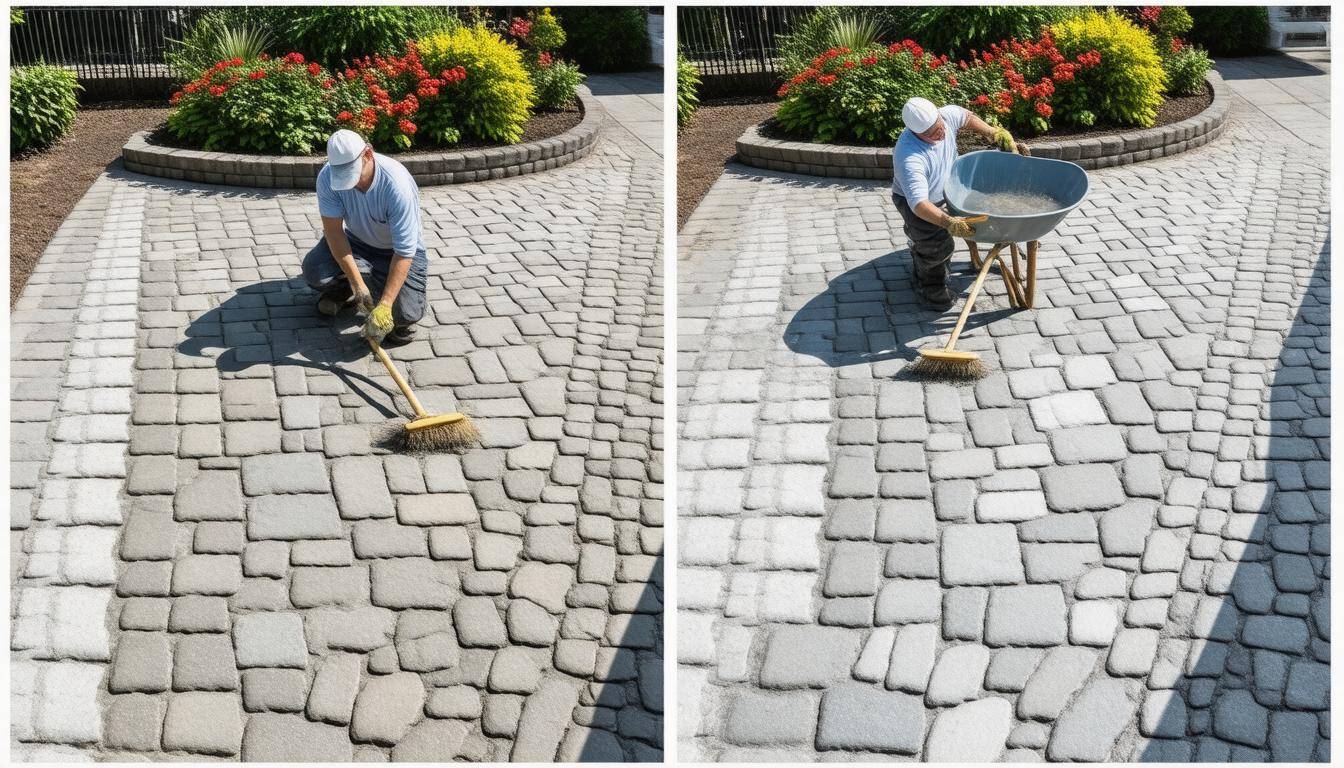
Estimating the duration for paver restoration isn't as daunting as it sounds; it primarily revolves around understanding a few factors, including the size of the area and the specific tasks required. For instance, a small patio of about 200 square feet might take approximately 2 to 3 days to complete, while larger projects like a driveway spanning 600 square feet could easily demand up to a week.
Let’s break it down further: cleaning typically requires one day, allowing sufficient time for the area to dry before any further work can begin. If repairs are needed, this step may add another day to your timeline. Then comes the re-sanding phase, where fresh polymeric sand is applied – this is crucial for proper joint filling and stability. Finally, sealing the pavers wraps up the restoration process, which may need an additional day or two for full curing.
In essence, this creates an approximate overall sequence: cleaning, drying, repairs and re-sanding, followed by sealing; each plays a pivotal role in achieving optimal results.
With that in mind, let's consider how different project sizes influence this overall timeline.
| Project Size | Estimated Time (days) |
|---|---|
| Small Patio (200 sq ft) | 2-3 |
| Medium Walkway (400 sq ft) | 4-5 |
| Large Driveway (600 sq ft) | 5-7 |
As you can see from our table above, it's essential to remember that these times are estimates. Larger areas often come with increased complexity as well as potential challenges such as damage or wear that could require additional attention and time. Furthermore, adverse weather conditions, such as rain or cold temperatures, can significantly impact drying times for both the cleaned surface and the applied sealant.
From our experience at PHX Paver, clients have frequently shared that hiring professionals not only expedites completion but also ensures thoroughness that DIY attempts may overlook. Utilizing our knowledgeable team enables you to navigate unexpected challenges efficiently, resulting in beautiful restored pavers in less time than anticipated.
Keep in mind that planning is key when aiming for efficient renovations; understanding the necessary steps helps smooth out the process and optimizes the overall time commitment as we explore further specifics related to project timelines.
Weather conditions present one of the most critical hurdles during a paver restoration project. Adverse weather, such as rain or extreme temperatures, can significantly hinder various stages of the process. For example, heavy rain can wash away newly applied sand, complicating re-sanding efforts and requiring you to start again.
Similarly, during sweltering summer days, if the sealant dries too quickly, it may not adhere properly—leading to an inferior finish that could necessitate reapplication down the line. Addressing these challenges requires flexibility and patience, making it essential to monitor local weather forecasts before scheduling your project.
Another significant factor is the extent of damage to your pavers.
If your surfaces display moderate wear, such as minor stains or light surface erosion, you can expect the restoration process to move along rather smoothly. However, if there are deep stains or structural issues like cracked or uneven pavers, you'll need to factor in additional time for more intensive cleaning and repairs.
This may involve extensive power washing and re-leveling to ensure everything is safe and secure before proceeding with sealing. The greater the damage, the longer your restoration will likely take.
In addition to these physical attributes of your pavers, the type of sealer you decide to use greatly impacts both application time and effectiveness.
Choosing between solvent-based and water-based sealers introduces different timelines and outcomes. Solvent-based sealers typically create a thin protective film that establishes stronger resistance against external elements but require more careful handling due to longer drying times. These sealants often necessitate fewer coats but may extend overall project duration due to their intricate curing process.
Conversely, water-based options allow a quick finish with faster curing times yet might demand multiple applications for optimal performance. This choice requires thoughtful consideration of your specific needs; balancing durability with efficiency can drastically alter directly how long you’ll be working on your restoration project.
Understanding these factors helps in planning the restoration more effectively.
With all these variables considered, proper planning is paramount. Recognizing that weather conditions can change unexpectedly and assessing the condition of your pavers allows you to prepare adequately for potential delays and adjust timelines accordingly.
Take the time to evaluate the type of materials you intend to use in conjunction with these aspects; this awareness guarantees a smoother experience when restoring your outdoor space while also ensuring that both aesthetics and functionality are preserved for years to come.
As we explore further, let’s focus on the first crucial steps in getting your outdoor area back on track, emphasizing effective cleaning techniques and necessary repairs.

The journey of paver restoration begins with cleaning; this process is invaluable for enhancing aesthetics and prolonging the life of your pavers. Over time, dirt, grime, and even moss can build up, making your outdoor area not just unsightly but potentially hazardous. This is where power washing comes into play.
First things first—using a power washer can effectively blast away stubborn dirt, algae, and mildew that have become embedded over time. This step usually takes about half a day for a smaller area, like a patio or walkway. However, if you’re dealing with a larger or particularly grungy surface, allow a full day for this crucial task. Patience is key here; the cleaner your surface is before re-sanding, the better the outcome will be after sealing. After the power washing, it’s best to let the area dry completely to avoid trapping moisture under the sealant later.
Once everything is spotless, inspect the pavers closely for any signs of damage. This brings us to surface repairs—the next critical step in the initial cleaning phase.
When cleaning is complete and the surface has dried, check for cracks or uneven pavers. Minor cracks can often be filled using polymeric sand, which not only helps repair while offering flexibility during temperature changes but also acts as a joint stabilizer. Applying this sand requires an even application along every joint to ensure proper bonding. After you've filled any cracks, allow at least 24 hours for the polymeric sand to cure properly before moving on to sealing.
This curing period reinforces the integrity of your repairs and prepares your pavers for their next phase of protection. A well-prepped surface not only looks polished but also offers a reliable foundation upon which your sealant can work its magic against the elements.
With clean and repaired surfaces in place, you’ll be ready to apply sealant effectively to protect against future wear and tear.
The restoration process begins with thorough surface preparation, which not only enhances the visual appeal of your pavers but also ensures lasting durability. First and foremost, after cleaning, you must address any gaps between the pavers by re-sanding the joints. This is critical because without sufficient sand filling, the structural integrity can be compromised.
You’ll want to make sure to use polymeric sand, as it possesses unique properties that aid in stabilizing the joints over time. When spread into the joints, it's important to give this sand a good day or two to set and cure properly. The more time you allow for curing, the better stabilized your pavers will be, allowing them to withstand weather elements without shifting.
“Patience is key during this phase; rushing will only lead to future headaches.”
Once you've allowed ample time for the polymeric sand to settle, it's time for the next crucial step: applying the sealer.
The choice of sealant significantly impacts not just the appearance but also how long your pavers will hold up against environmental factors such as moisture and UV rays. There are primarily two types of sealers: solvent-based and water-based options.
Water-based sealers are generally regarded as being less toxic and environmentally friendly which aligns with our values at PHX Paver. They offer good penetration into the stones, ensuring breathability while delivering protection without altering your pavers' appearance. However, these types often require multiple coats, allowing adequate drying time in between layers, which may take more than one day based on humidity and temperature levels.
On the other hand, if time efficiency is paramount, solvent-based sealers provide quicker application due to their reduced dry times but may necessitate more frequent reapplication down the line—generally within 3-5 years due to wear caused by rain and sun exposure.
Navigating these choices can feel daunting but prioritizing eco-friendliness through water-based options usually yields reliable results while maintaining a cleaner environment.
As you commence applying sealant, remember that doing so under optimal conditions—temperatures above 35°F—will yield better results. It’s essential not just to coat indiscriminately but rather apply thoughtfully using a roller brush with an extension for even coverage across larger areas.
With careful attention to surface preparation and the right sealer choice, you are setting yourself up for long-term satisfaction in your paver restoration journey.
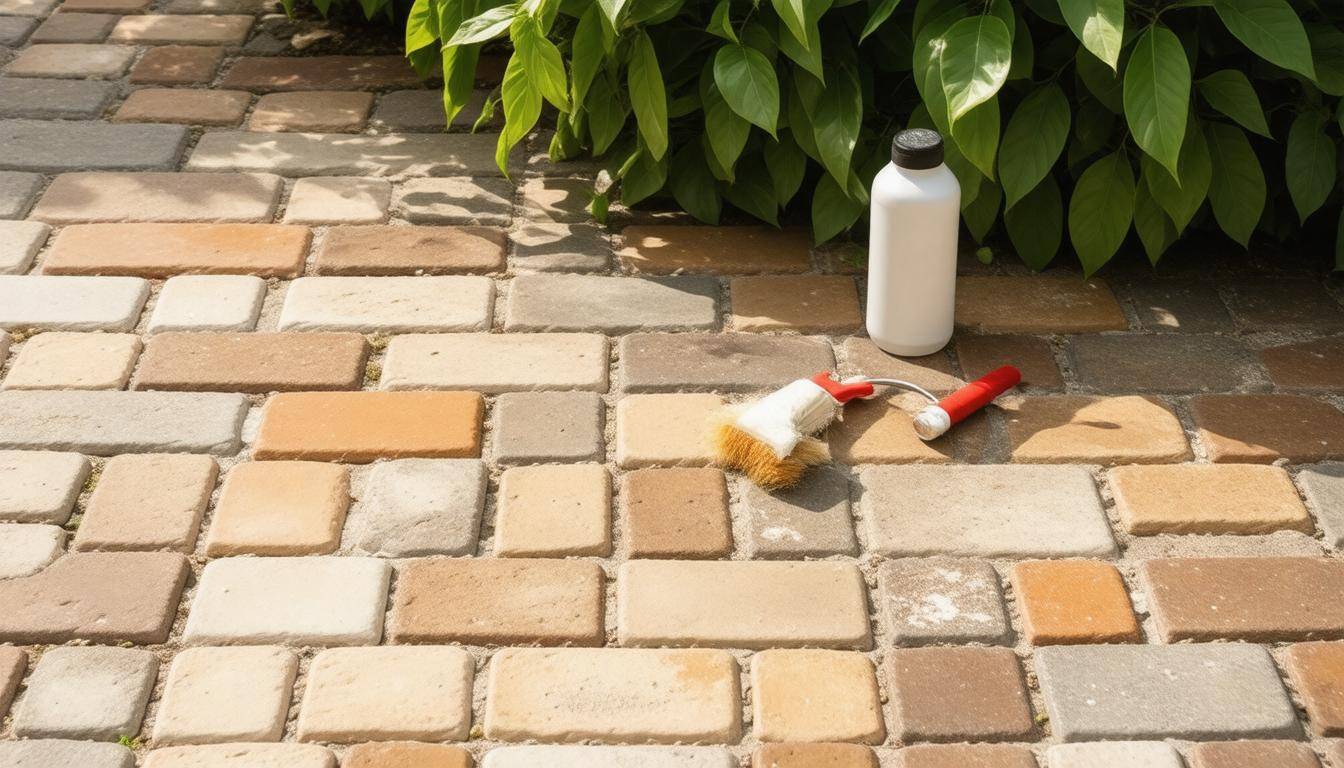
Effective maintenance ensures the longevity of your paver restoration, allowing your hard work to shine through for years to come. When you maintain your pavers consistently, you're not just preserving their appearance; you're also extending their lifespan, ultimately saving you time and money in potential repairs down the line. After all, who wants to deal with the hassle of replacing worn-out or damaged pavers when a little upkeep can prevent that entirely?
One simple yet essential task you can do is to sweep the surface weekly to remove debris. A clean surface not only looks great but prevents any unwanted growth, like moss or weeds, from taking hold.
Additionally, it’s wise to hose down your pavers monthly. This gentle wash helps prevent dirt buildup that can dull the beauty of your stone or brick.
Furthermore, conducting deep inspections quarterly enables you to look for signs of wear or damage early on. Catching little issues before they escalate is key; it's like visiting the doctor regularly for check-ups instead of waiting until you feel seriously ill.
Engaging periodic professional maintenance services is another excellent way to uphold your investment. Services like those offered by PHX Paver provide affordable maintenance packages tailored for busy homeowners who desire pristine outdoor spaces without the effort.
By establishing a consistent maintenance schedule, you’re addressing potential issues long before they evolve into significant problems that could cost you dearly. Neglecting necessary care means risking costly repairs and lowering your property value—a small amount of effort now can save you a lot later.
As we explore effective practices for ensuring your paved spaces remain in top shape, understanding these techniques will empower you to protect your investment and keep your outdoor areas inviting and vibrant. Let's consider how to achieve streamlined processes that enhance the restoration experience.
Proper Planning is key to any successful project. To avoid unexpected delays, it’s smart to schedule your restoration during favorable weather. Ideally, late spring or early fall presents the best conditions: there are fewer rain interruptions, and temperatures are typically moderate.
This means that the cleaning process, drying times, and sealing can all occur seamlessly without the threat of rain ruining your efforts. Imagine investing time and money only for a sudden downpour to delay your progress or affect the integrity of your sealant—it's worth thinking ahead.
Another crucial aspect lies in using quality materials. Opting for high-quality cleaning agents, sand, and sealers can significantly impact the results of your restoration. Using products sourced from PHX Paver ensures you’re getting materials that offer better adherence and durability, thus reducing the frequency with which repairs need to be made in the future.
Investing in reliable supplies may mean a higher upfront cost, but it pays off by extending the life of your pavers. It’s like choosing an excellent foundation for your home; the better it is designed, the longer it lasts.
Clients who have chosen professional services often share revelatory experiences. One such satisfied customer noted, “The team at PHX Paver completed our driveway restoration in just four days, and it looks stunning!”
This speaks volumes about the benefits of hiring skilled professionals who understand both the science and artistry behind paver restoration.
Hiring experienced specialists saves time and guarantees that all aspects—cleaning, re-sanding, and sealing—are executed with precision. They also come equipped with the right tools to manage intricate tasks that a novice might overlook.
Additionally, be sure to factor in maintenance post-restoration; keeping your newly restored pavers spotless will ensure they remain in prime condition for years to come.
Last but not least, don't underestimate the importance of ongoing care after the restoration process is complete. Regular maintenance might include light cleaning sessions and inspections to catch any minor issues before they escalate into larger problems.
Always remember: preventative measures contribute significantly to ensuring longevity and beauty in your outdoor space.
Strategies for efficient restoration allow you not only to achieve a beautiful result but also to sustain it effectively over time. This commitment to care creates a lasting enhancement for your property.
PhxPaver.com © 2026 Powered by Pressure Power Pros | Service Areas